
Exploring Smart Irrigation Technology Trends and Their Impact on New Jersey Landscapes
Understanding Smart Irrigation Technology
Smart irrigation technology is revolutionizing how we manage landscapes, particularly in regions like New Jersey. By integrating advanced technology with traditional irrigation systems, smart irrigation offers an efficient solution to water management, helping to conserve resources while maintaining lush, healthy landscapes.

These systems utilize real-time data to adjust watering schedules and amounts, ensuring that landscapes receive the optimal amount of water. This not only enhances the health and appearance of gardens and lawns but also significantly reduces water waste.
Key Features of Smart Irrigation Systems
Smart irrigation systems are equipped with various features that make them highly effective. Some of the key components include:
- Weather-based controllers: These devices adjust watering schedules based on current and forecasted weather conditions.
- Soil moisture sensors: These sensors measure the moisture level in the soil, providing data to optimize irrigation schedules.
- Remote access: Users can manage their systems via smartphone apps, allowing for easy adjustments and monitoring.
These features work in tandem to ensure that landscapes receive precise watering, maximizing efficiency and health.

Benefits for New Jersey Landscapes
For New Jersey, which experiences a range of weather conditions, smart irrigation technology offers several benefits. By adapting to seasonal changes, these systems ensure that landscapes are well-maintained throughout the year.
Moreover, the use of smart irrigation systems can lead to significant cost savings. By reducing water waste, homeowners and businesses can lower their water bills while contributing to broader conservation efforts. This is particularly important in areas experiencing water restrictions or drought conditions.
Environmental Impact and Sustainability
Implementing smart irrigation technology has a positive impact on the environment. By optimizing water usage, these systems contribute to the sustainability of local ecosystems. They help reduce runoff and erosion, which can be damaging to New Jersey’s diverse landscapes.
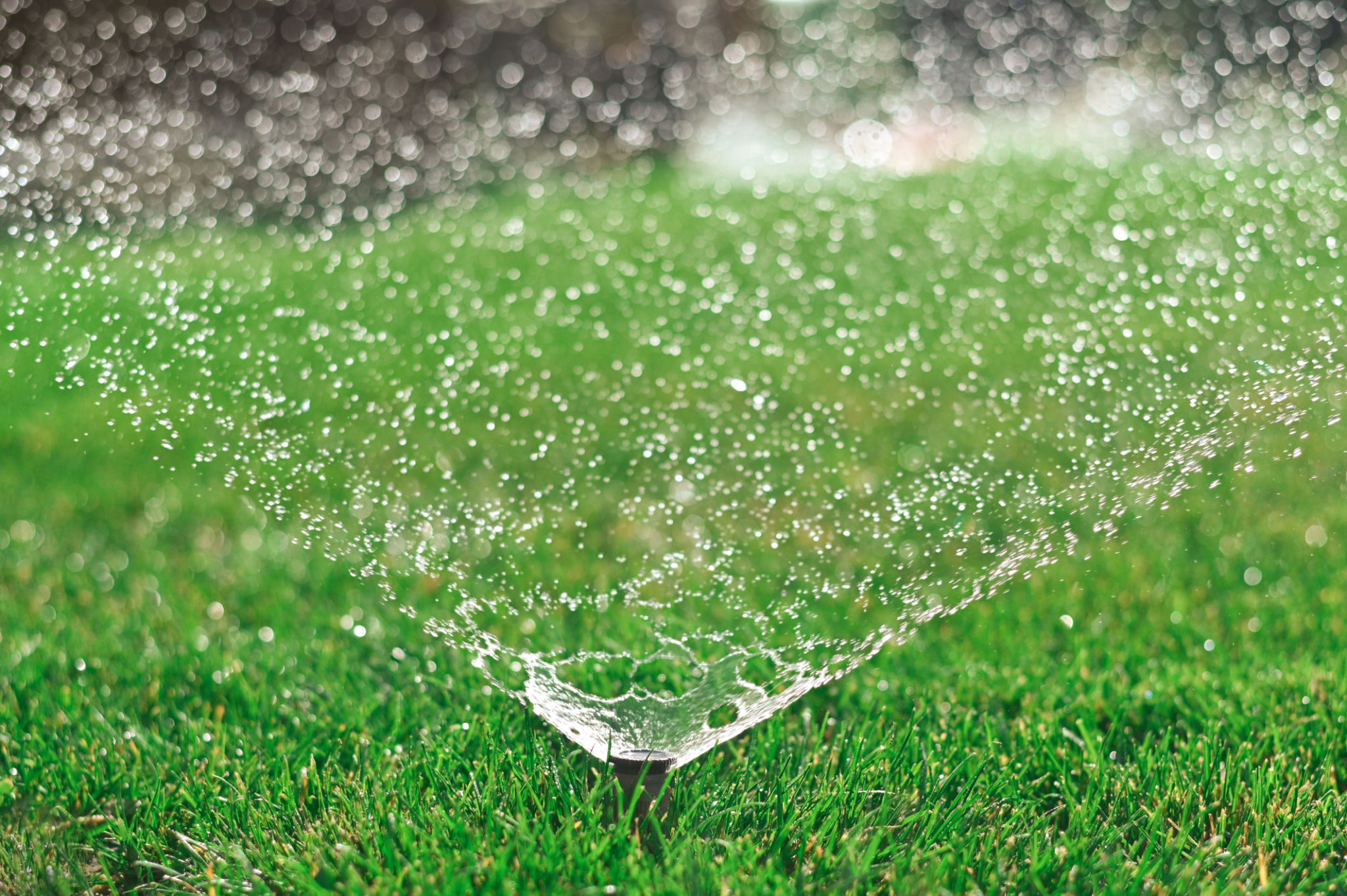
Additionally, by conserving water, these systems help preserve vital natural resources, ensuring that they are available for future generations. This aligns with global efforts to promote sustainable living practices.
Challenges and Considerations
Despite the numerous benefits, there are challenges to consider when implementing smart irrigation technology. Initial setup costs can be high, which may deter some homeowners and businesses. However, the long-term savings on water bills often offset these initial expenses.
Furthermore, proper installation and maintenance are crucial to ensure that these systems function effectively. Partnering with experienced professionals can help mitigate these challenges, ensuring the systems deliver optimal performance.
Future Trends in Smart Irrigation
As technology continues to evolve, the future of smart irrigation looks promising. Innovations such as AI and machine learning are expected to enhance system capabilities, providing even more precise and efficient water management solutions.
For those in New Jersey, staying informed about these trends can help in making informed decisions about landscape management, ensuring that they reap the full benefits of smart irrigation technology.